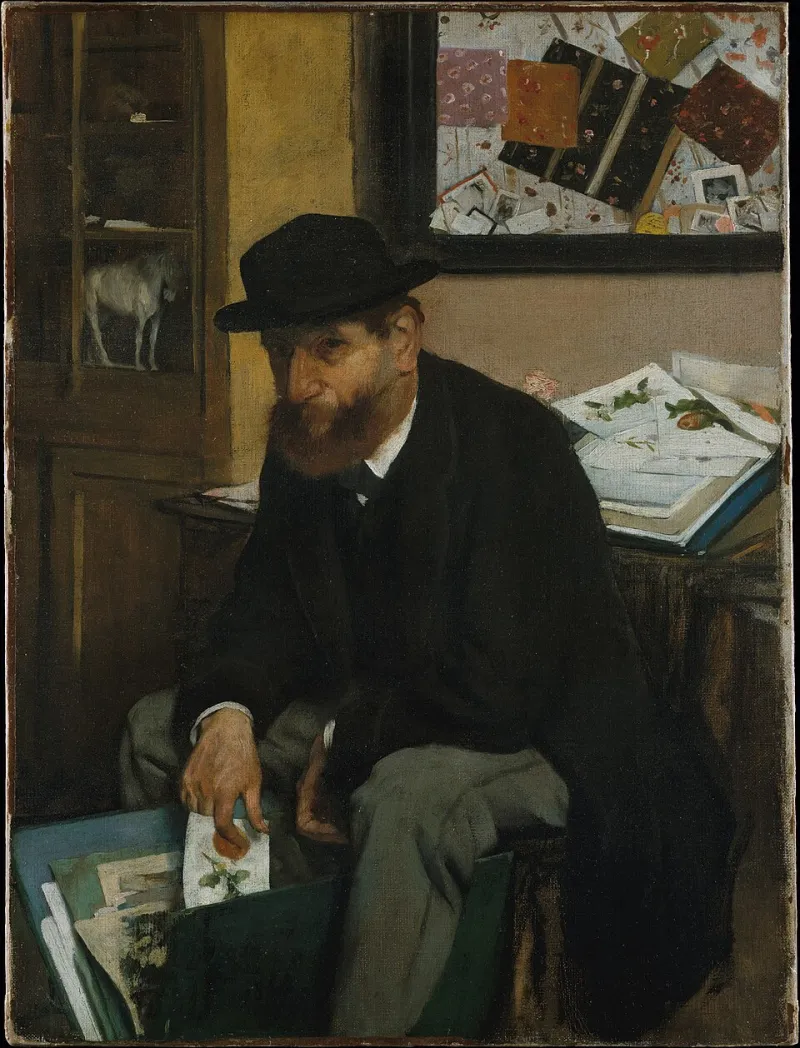
From the Vault to Your Wallet: How Museums Are Using NFTs to Rewrite the Rules of Cultural Ownership
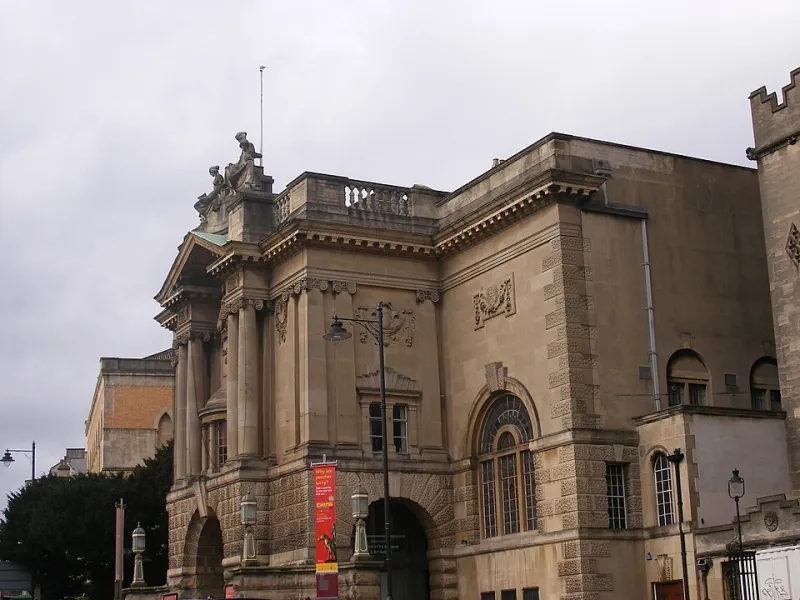
Photo: Elliott Brown from Birmingham, United Kingdom, CC BY 2.0, via Wikimedia Commons
For centuries, if you wanted to stand in front of a Vermeer or get close enough to a Greek marble bust to see the chisel marks, you had to show up in person — ideally on a Tuesday morning when the tour groups weren't blocking the view. Museums have always been the gatekeepers of culture, the institutions that decided what was worth preserving, who got to see it, and under what conditions.
That arrangement is changing fast. And the disruptor isn't a scrappy tech startup or a Silicon Valley billionaire with a passion for antiquities. It's blockchain.
The Quiet Revolution Happening Inside Museum Walls
Over the past few years, some of the most prestigious cultural institutions in the country have been exploring — and in several cases fully committing to — NFT programs tied to their permanent collections. The Metropolitan Museum of Art in New York made waves when it partnered with Snowcrash to launch digital collectibles connected to works from its archive. The Smithsonian has experimented with tokenized reproductions. Regional museums, often starved for funding and desperate to reach younger audiences, have moved even faster.
The pitch from institutions is pretty straightforward: NFTs let them generate new revenue without selling the physical work, expand access to people who'll never walk through their doors, and create a verifiable digital record that proves authenticity. That last part is bigger than it sounds. Art theft and forgery cost the global market billions every year, and blockchain's immutable ledger offers something the art world has never had — a chain of custody that can't be quietly altered in a back office.
For early adopters already living in the NFT space, this is a familiar story. The technology does what it does: it creates scarcity, establishes provenance, and transfers ownership in a way that's transparent and permanent. What's new is the institution stamping the back of the token.
What Curators Actually Think About All This
Not everyone inside these institutions is celebrating. Spend any time talking to museum professionals and you'll find a genuine split between those who see NFTs as a lifeline and those who view the whole thing as a category error.
The concern that comes up most often isn't really about technology — it's about meaning. A painting by Winslow Homer carries weight partly because of where it lives, who has cared for it, and the physical history embedded in the canvas itself. When you mint an NFT of that painting, you're creating something new: a digital asset that references the original but isn't it. For some curators, that distinction matters enormously. The NFT isn't the Homer. It's a receipt pointing at the Homer.
But others push back on that framing. Museums have always sold reproductions — postcards, prints, coffee table books. The Met gift shop has been doing a version of this for decades. An NFT is just a postcard with a blockchain backbone and a secondary market attached. The difference is that this time, the buyer gets something the postcard never offered: a verifiable, unique claim to a specific edition of that digital image.
That's not nothing. For collectors, provenance is everything. And for the first time, a mass-market buyer can own a piece of cultural history with documentation that doesn't depend on trusting a gallery owner's handshake.
The Democratization Argument — And Its Limits
Museum NFT programs often come wrapped in the language of access and inclusion. The idea is that someone in rural Kansas or a mid-size city without a major art museum can now own a piece of cultural heritage that was previously locked behind geography and wealth.
There's real truth to that. A digital collectible tied to a work from the Art Institute of Chicago, priced at $50 or $100, reaches people who will never pay for a flight to see the real thing. For first-time collectors, these institutional NFTs can also serve as a low-stakes entry point into the broader digital asset world — a way to own something meaningful without jumping straight into speculative blue-chip tokens.
But the democratization story has some holes in it. NFT transactions still require crypto wallets, gas fees, and a baseline level of technical comfort that excludes a big chunk of the population. Museums have tried to smooth this out with custodial wallets and credit card purchases, but friction remains. And there's a legitimate question about whether selling digital editions of publicly held art — works that taxpayers and donors funded the acquisition of — is actually serving the public interest or just monetizing it.
That tension doesn't have a clean answer. What's clear is that the institutions doing this best are the ones being honest about the tradeoff, rather than dressing up a revenue strategy as pure altruism.
Provenance, Theft, and the Blockchain Record
Here's where NFT technology genuinely earns its place in the museum conversation: documentation.
Art theft is a persistent, global problem. The FBI maintains an entire unit dedicated to it. Stolen works move through private sales, get laundered through auction houses, and resurface decades later with falsified paperwork. The traditional art market's opacity is a feature for thieves and a bug for everyone else.
Blockchain doesn't solve physical theft — a stolen painting is still a stolen painting. But it does create a public, tamper-resistant record of what a museum owns, when it was documented, and what digital assets have been officially issued in connection with it. If a museum mints an NFT tied to a specific work and that work later goes missing, the blockchain record becomes part of the evidentiary trail. It's not a silver bullet, but it's a tool the art world has never had before.
For collectors buying museum-issued NFTs, this same logic applies to authenticity. The token's smart contract points back to the issuing institution. That's a level of provenance most art buyers — even serious ones — have never been able to access so cleanly.
So Is This Progress or Sacrilege?
Honestly? It's both, depending on how you look at it.
Museums minting NFTs of their collections is neither the death of culture nor its salvation. It's an experiment being run by institutions that are, for the first time in a long time, genuinely unsure of their own future. Attendance has been uneven since the pandemic. Younger audiences engage with culture differently. Funding is tight. NFTs represent one possible answer to a set of very real institutional problems.
For people already in the digital collectibles space, the arrival of museums is worth paying attention to — not because it validates NFTs (the technology doesn't need a museum's blessing), but because it signals that the mainstream is catching up. When the Met starts minting tokens, the conversation has officially left the Discord server and entered the boardroom.
The first wave of NFT collectors already knew this moment was coming. The rest of the world is just now reading the plaque on the wall.