Most NFTs Are Already Dead — Here's How to Identify the Ones Built to Last
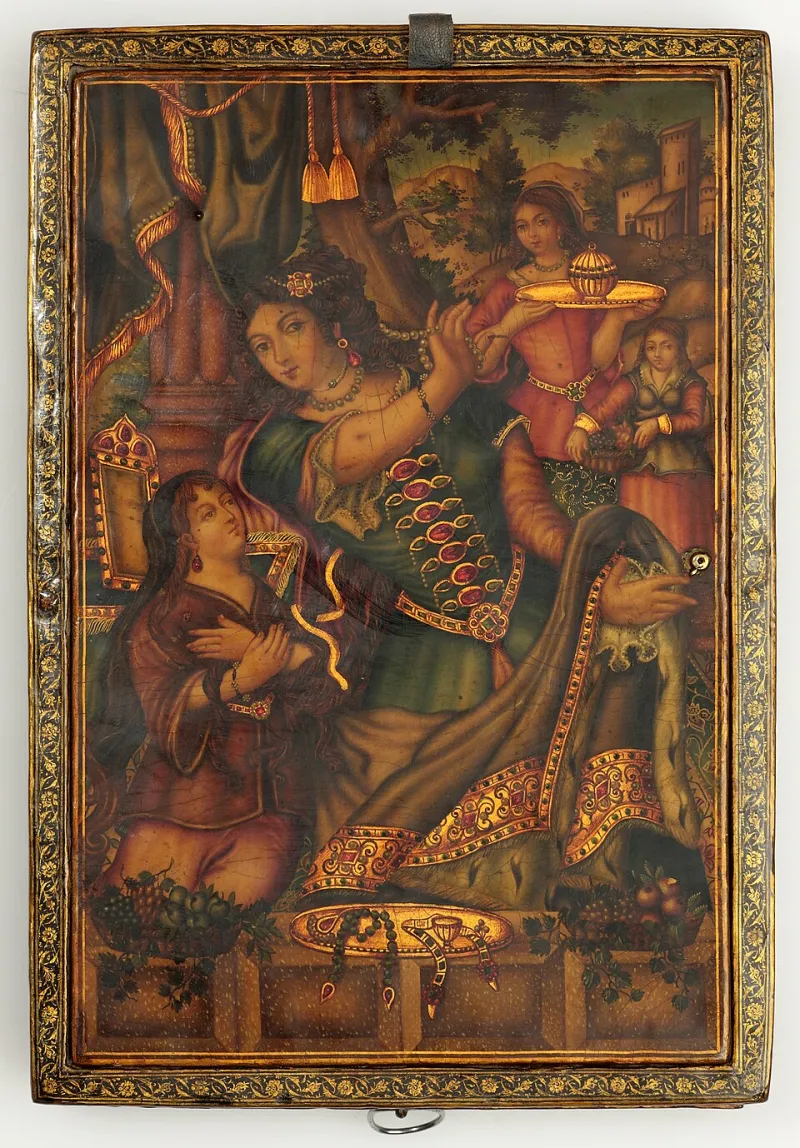
Photo: Khalili Collections, CC BY-SA 3.0 igo, via Wikimedia Commons
The Uncomfortable Math Nobody Wants to Talk About
Let's skip the hype for a second and look at the numbers. A 2023 study by dappGambl analyzed over 73,000 NFT collections and found that roughly 95% of them had a market cap of zero. Zero. Not low — zero. Another analysis by Nansen tracking blue-chip NFT performance showed that even among the top-tier collections from 2021, more than half had lost over 80% of their peak value by mid-2023.
This isn't a bearish take designed to scare you off the space. It's a reality check that the smartest early adopters have already internalized. The NFT market is not a rising tide that lifts all boats. It's more like a gold rush where most people are sifting dirt — and a few are quietly walking away with something real.
So what separates the 1% of projects that hold value from the overwhelming majority that collapse into obscurity? It turns out there are patterns, and once you know how to read them, they're not that hard to spot.
Why Most Projects Fail (And It's Not Just the Bear Market)
Blaming NFT collapse entirely on crypto market cycles is a convenient excuse that misses the actual problem. Plenty of collections launched during bull markets and still cratered within months. The real culprits are more structural.
No utility, no community, no staying power. A massive percentage of NFT projects were essentially speculative assets dressed up in digital art clothing. The pitch was: buy now, flip later, profit. When the flipping stopped, there was nothing holding the community together. No roadmap anyone actually believed in. No product. No reason to stay.
Anonymous or unaccountable founders. Pseudonymity is baked into crypto culture, and that's fine — but there's a meaningful difference between a founder who has built credibility over years in the space and a wallet address that appeared six months before a mint. Rug pulls didn't just happen to naive investors. They happened to experienced collectors who ignored the red flags because the art was cool and the Discord was loud.
Oversaturation killed the middle tier. Between 2021 and 2022, thousands of projects launched every week. The market couldn't absorb them. Projects that might have found a niche audience in a quieter environment got drowned out entirely. Many of those ghost collections are still technically on-chain — they just have no buyers, no floor, and no future.
The Metrics That Actually Matter
If you're evaluating an NFT project — whether it's a new mint or a secondary market purchase — here's the framework that experienced collectors use to separate signal from noise.
1. Secondary market volume consistency Floor price gets all the attention, but it's a lagging and easily manipulated indicator. What you really want to see is consistent secondary market volume over time — not a single spike at launch or during a hype cycle, but steady trading activity that suggests genuine demand. Tools like OpenSea's analytics, Blur, and Nansen can give you this picture quickly.
2. Holder distribution A healthy collection has its supply spread across many wallets, not concentrated in a handful of addresses. When 10 wallets control 60% of a collection's supply, you're essentially betting on those holders' willingness to support the market. When they decide to exit, so does the floor.
3. Real-world integrations and utility The collections that have sustained value longest — think Bored Ape Yacht Club, CryptoPunks, and a handful of others — developed genuine cultural cachet and real-world utility. Membership access, licensing deals, physical merchandise, collaborations with mainstream brands. These aren't just JPEGs; they're membership cards to something that exists outside the blockchain.
4. Founder track record and transparency Do a little digging. Has the team shipped what they promised? Have they communicated openly during rough patches, or do they go quiet when the price drops? A founder who has delivered on previous commitments — even small ones — is worth far more than a slick whitepaper and a celebrity endorsement.
5. Community quality over community size A Discord with 200,000 members is meaningless if 190,000 of them are bots or speculators who bounced at the first sign of trouble. Look for communities where people are genuinely engaged with the project's vision, not just watching the floor. Reddit threads, Twitter conversations, and holder forums can reveal a lot about whether the community has staying power.
What the Survivors Have in Common
Look at the collections that have weathered multiple market cycles and you start to see a consistent profile. They launched with a clear, specific value proposition — not just "great art" or "10,000 unique traits." They built communities around shared identity, not just shared financial interest. And crucially, their founders stayed visible and kept building even when prices were down.
Art Blocks Curated is a good case study. The platform's curatorial rigor — which rejects the vast majority of submissions — created a quality signal that the broader market has respected even through significant downturns. Collectors know what they're getting. That clarity has value.
Similarly, projects with strong IP development pipelines — animation, storytelling, licensing — have demonstrated that they're building something beyond the initial mint. The NFT becomes a stake in an evolving creative universe rather than a static image file.
A Word on New Projects in 2024 and Beyond
The landscape has shifted significantly. The era of launching 10,000 PFP collections and watching them sell out in minutes is largely over. What's emerging in its place is a more discerning market where collectors are asking harder questions before they commit.
That's actually good news for thoughtful investors. The noise has quieted enough that genuinely strong projects can be identified earlier, before the hype cycle inflates prices beyond reason. The early adopter advantage — the whole reason this space is exciting — is still very much available. You just have to do the work.
Look for projects with smaller, intentional supply. Watch for founders who are already known quantities in adjacent creative or tech communities. Pay attention to projects that have a clear answer to the question: "Why does this need to be an NFT?" When the answer is compelling, you're probably onto something.
The Bottom Line
Most digital collectibles won't matter in five years. That's not pessimism — it's just the natural selection process of any emerging asset class playing out in real time. The dot-com boom didn't invalidate the internet; it just separated Amazon from Pets.com.
The collectors who come out ahead won't be the ones who bought the most or moved the fastest. They'll be the ones who asked the right questions, read the on-chain data honestly, and backed projects with actual foundations underneath the floor price.
The graveyard is real. But so is the 1%. And finding it is exactly the kind of edge that first movers are built for.